Articles · Communication
Why Proofreading Is a Separate Skill
How to support accurate written work when drafting and editing require different kinds of attention.

Shared Language editorial team
Published · Updated · 2 min read
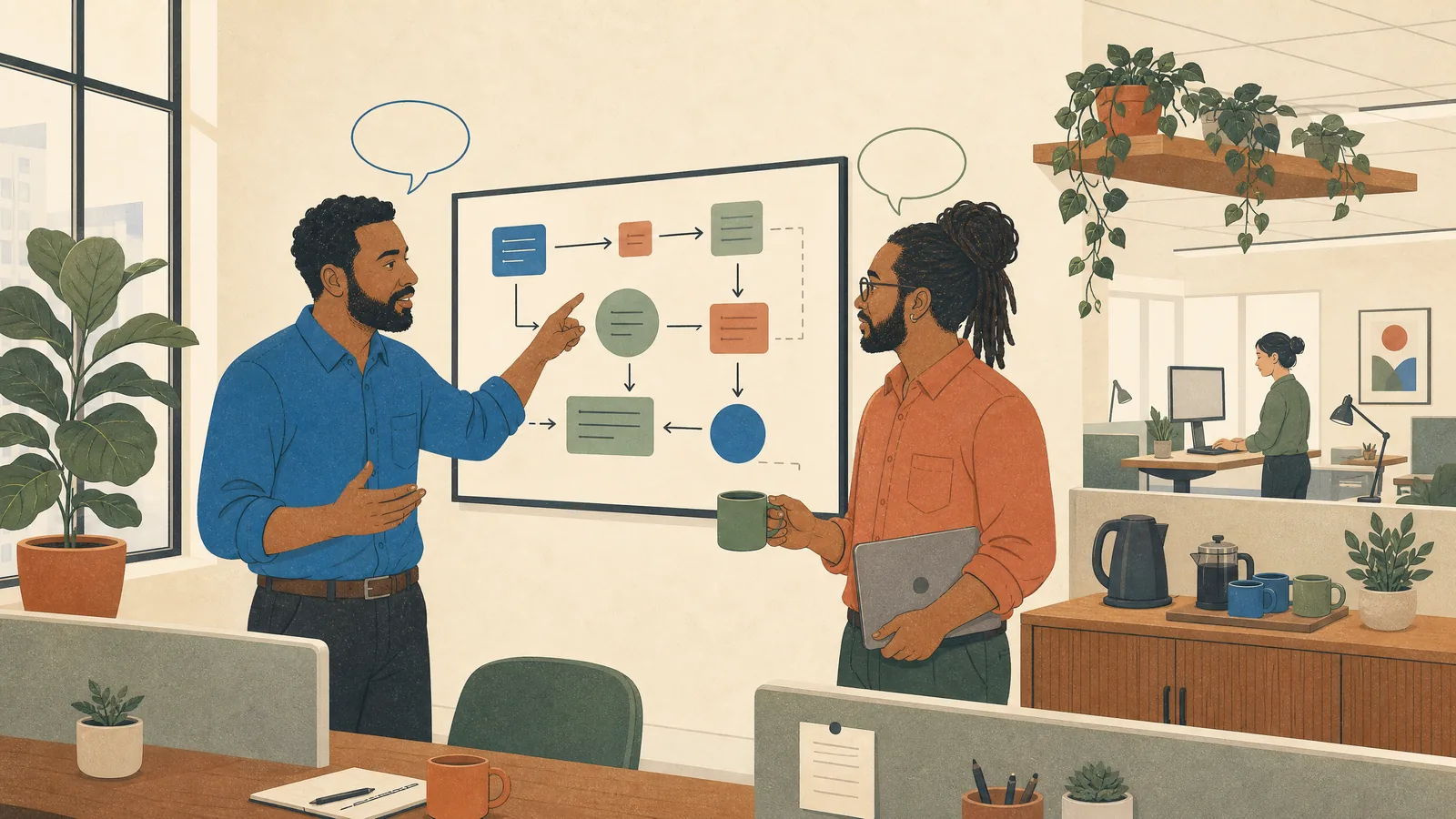
The brain can supply the intended meaning
A person may understand a subject clearly while missing errors in spelling, formatting, sequencing, or wording. When rereading familiar work, the brain may see what it intended to write rather than what is actually there.
Change the review process
Use text-to-speech, proofread after a break, review one error type at a time, or use a second reviewer for important documents. This does not lower the standard; it changes the route used to reach it.
Separate content review from error checking
First ask whether the document answers the question and presents the information in a useful order. Then make a separate pass for dates, names, figures, and formatting. A short checklist can keep those tasks distinct. For an important calculation or statement, a second reviewer may be more useful than asking the same person to reread it repeatedly.
Choose tools with the document in mind
Reading aloud or using text-to-speech may help some people notice wording they skipped visually. Check workplace privacy rules before using a tool that could send confidential text to an outside service. Leave time between drafting and review when possible, and agree who performs the final check. The aim is a dependable process that catches the relevant errors, not proof that a capable writer should never need assistance.
Try this next
Use separate passes for content, structure, and formatting instead of checking everything at once.